
Do you suffer from persistent fatigue, irregular digestion and fitful sleep? If so, low-grade chronic inflammation might be to blame. Julie Coignet, naturopath and author of , outlines the six daily habits she recommends in order to help manage it.
Since being diagnosed with a chronic inflammatory bowel disease, the digestive health expert explored every possible diet – from gluten- and lactose-free to vegetarian, Paleo, low FODMAP, you name it – before realising that food alone wasn’t enough. In her book, she draws on discoveries about the microbiome, the vagus nerve and the gut-brain axis which show that managing stress and wellness are every bit as important as what’s on your plate.
One principle guides her advice: “It’s never just one of these habits that makes a difference – it’s their repetition, day after day. Low-grade chronic inflammation is the result of thousands of small, repeated signals, and it subsides in the same way.”
Below, find her tips on everything from what to put on your plate to regulating your sleeping patterns.
How can you easily reduce chronic inflammation?
According to Coignet, poor sleep hygiene is one of the “most well-established links” to chronic inflammation. Why? It disrupts cortisol’s natural rhythm, which, when poorly regulated, can induce inflammmation. “It’s a vicious cycle: poor sleep fuels inflammation, and inflammation, in turn, degrades sleep quality,” she explains. To break it, try to set a regular sleep schedule, winding down before bedtime with a soothing decaffeinated tea, and swapping blue light emitting screens for a book.
When it comes to inflammation, diet plays a “central role, but not the one we always think it does”, she says. Ingredients that are often vilified – refined sugars, refined vegetable oils, white flour, modern gluten, meats grilled at very high temperatures, and ultra-processed foods – aren’t the problem as much as “their excess and frequent consumption”. Coignet explains that when consumed in excess, they weaken the junctions of the intestinal wall and promote increased intestinal permeability (aka “leaky gut”), one of the entry points for low-grade chronic inflammation. To nourish a balanced microbiome, she recommends adding in small fatty fish for their omega-3s, colorful cooked vegetables, raw olive oil and flaxseed oil, spices such as turmeric and ginger, and fermented foods.
“My advice is always the same: gentle, consistent exercise beats performance-focused, sporadic intensity,” says Coignet. Gentle, regular movement, like walking, stretching or yoga improves vagus nerve tone, lymphatic circulation and insulin sensitivity, without adding stress to the body – leading it to have “a remarkable and consistent anti-inflammatory effect”. Intense exercise isn’t something to avoid, but Coignet explains it becomes counterproductive “when it isn’t followed by proper recovery, or when it’s done on a body that’s already stressed or tired”. When that happens, cortisol and oxidative stress spike, instead of being regulated
Even five minutes of breathing exercises make a difference. Coignet says cardiac coherence – marked by rhythmic breathing and positive thoughts – is particularly effective as it lowers cortisol and, in turn, associated inflammatory markers. “This has a measurable effect on heart rate variability, which is itself correlated with systemic inflammation,” she adds.
“When well-hydrated, the body eliminates waste more efficiently, which reduces the overall inflammatory burden,” says Coignet. One thing to note: Coignet recommends hydrating between meals rather than during them, “so as not to dilute digestive juices”.
Coignet’s final recommendation is another classic: eat meals at a leisurely pace, without a phone or screen, to give the body time and space to digest properly.
What supplements can help reduce chronic inflammation?
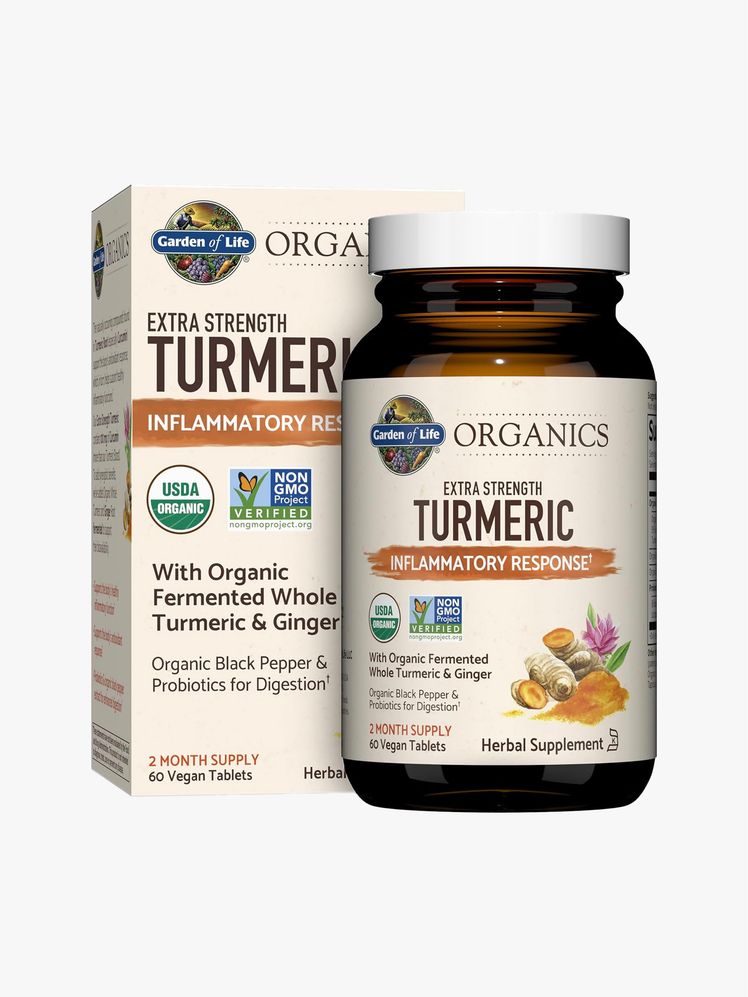
Turmeric, first and foremost: “the ultimate anti-inflammatory herb”. A little in cooking is good, but as a dietary supplement, it’s more concentrated and therefore more effective. Next there’s omega-3s, in the form of high-quality fish oil or small fatty fish several times a week, and ginger, for its digestive and mild anti-inflammatory effects. If there are signs of inflammation, the naturopath systematically checks vitamin D levels, which plays a role in regulating the immune system. If levels are too low, it creates an environment more conducive to inflammation that feeds on itself, “a bit like a brake that no longer works”.


Why it’s -approved: If you’re looking to support your heart, brain and eye health, Holland & Barrett’s High Strength Triple Omega 3-6-9 contains EPA and DHA from fish oil, alongside borage and flaxseed oils, which provide additional fatty acids to maintain good cholesterol levels.
