ADAS, because the system’s so dialled back it only intervenes if you’re about to run into the back of a car or run a child over,” says Avery. Good driver monitoring should also effectively assess if a driver is tired, or under the influence of drugs and alcohol, and respond with accurate warnings in a timely manner.
This year, Euro NCAP has introduced a new, 2,000km (1,200-mile) on-road vehicle assessment. It will measure and score the effectiveness of Intelligent Speed Assist, as well as collect data on how driver monitoring, lane support and automated emergency braking interventions perform, and note ADAS false alarms.
But the world of crash safety is the same as car engineering: making well informed, evidence-based changes takes time. “We’re collecting data because in 2029 we’re going to start rating these systems. So we need tens of thousands of kilometres of driving,” explains the Euro NCAP director. He notes that NCAP is undertaking a version of Auto Express’s tests but on a supersized, scientific level.
This will help prove the effectiveness of lane-keeping assist and Intelligent Speed Assist (ISA), which drivers tend to ignore. “We know in theory they should be working, and we know the relationship between speed and crash risk. But the jury is out, and some of that is down to the application.”
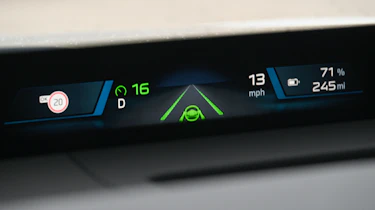
Avery asserts that Level 2 motorway assistance – Adaptive Cruise Control – reduces crash rates by between 30 and 40 per cent, particularly by keeping cars a safe distance apart. “In motorway accidents, cars tend to run off the road if drivers aren’t watching what they’re doing, or they run into the back of the car in front.” ACC with steering assist can help in both cases. It pays to use it: even true car nuts do. A case in point, who enables it every time he’s on the motorway? Matthew Avery.