“Over the past 24 hours, almost a thousand forecourts have cut petrol prices, yet just over two hundred have cut diesel prices due to volatile wholesale costs,” King pointed out. “Now retailers know the lay of the land on fuel duty, where costs are coming down, retailers need to pass them on as quickly as possible. We hope the regulator will be monitoring prices closely.”
Tax-free business mileage
The tax-free mileage rate for those driving for business has been permanently locked in at 55 pence per mile after it was increased from 45 pence earlier this year to combat the rising cost of motoring. Drivers will be able to claim 55 pence per mile for the first 10,000 miles they travel – equivalent to £5,500 in non-taxable allowance payments. From April 2027, anything above 10,000 miles will now be charged at 35 pence per mile (up from 25 pence), putting more cash in the pockets of the real hypermilers.
Managing director of Close Brothers Motor Finance, John Cassidy, said: “Increasing the higher mileage rate is helpful for millions who rely on their own vehicles to earn a living. Our latest research shows the scale of the relief this will provide. Nearly half (47 per cent) of UK motorists use their vehicle for work or business, with fuel and energy bills ranking as the single biggest operational challenge for over half (52 per cent) of them.”
VAT cut on home EV charging extended
The Chancellor has decided to extend the temporary VAT cut on domestic electricity until July which, in turn, also covers those charging their electric cars at home. Unlike public charging which is taxed at a rate of 20 per cent, domestic electricity instead incurs a five per cent VAT rate. Nevertheless, when the temporary measure came into force in October, it effectively cancelled out the rise in the Ofgem energy price cap.
Cash and reform for public EV charging
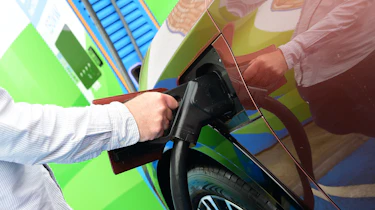
The Government hasn’t forgotten those who can’t charge at home; in order to close the price gap between public and domestic electric car charging, the Government has pledged £100 million over the next two years “to reduce costs for local, lower-powered public chargers”. Due to come into effect in Spring 2027, Labour says this will save £150 annually for those driving 8,000 miles per year and returning an average of 3.3 miles per kWh.