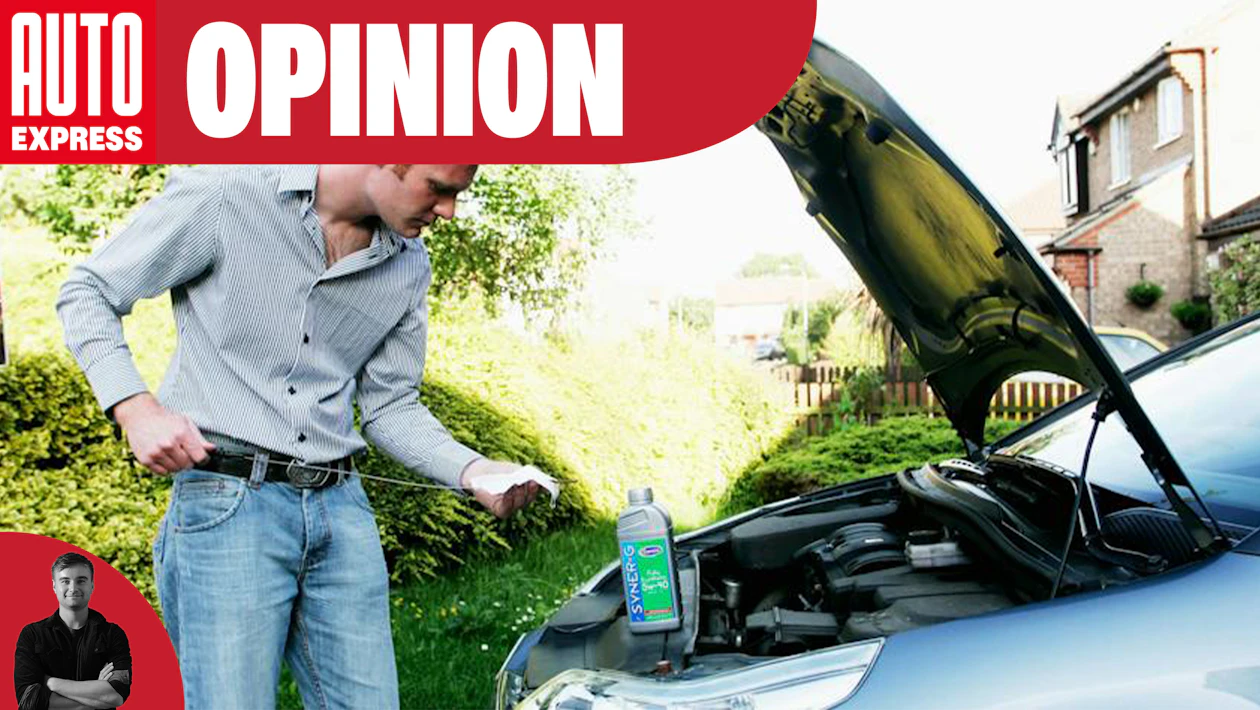
We’re in the midst of a fuel crisis, so it’s understandable that UK drivers will be keeping an even keener eye on their car’s efficiency. If you’ve just bought a brand-new vehicle and it’s not as efficient as the manufacturer claimed, then don’t panic; it might just need something known as a ‘break in period’.
Breaking in a car is an exercise manufacturers have been recommending for decades to give the vehicle its best chance of providing its claimed efficiency, performance and durability. The breaking-in process relates not only to how you’re driving your car, but also how you maintain it. While some tips for breaking in a car, such as looking after your tyres, brakes and suspension, can be applied to EVs, we’re focusing on the efficiency of combustion-engined cars here.
Although modern automotive technology means most contemporary cars no longer demand a rigid running-in process, many car makers still offer some guidance in the manual to help maximise engine life. For instance, Toyota tells customers not to use cruise control for the first 621 miles. This is to help the engine run at a variety of speeds, which is preferred over an extended period of constant revs early in an engine’s life. However, Toyota also says to avoid high engine speeds (over 4,000rpm) during this time.