Don’t think this is down to mileage either. EVs cover a higher median annual mileage up to their first MOT test on their third birthday, with 27,072 miles compared to 20,499 miles for petrol-powered cars. Some of this can be explained by a higher percentage of EVs being used for leasing, company car fleets and private-hire services.
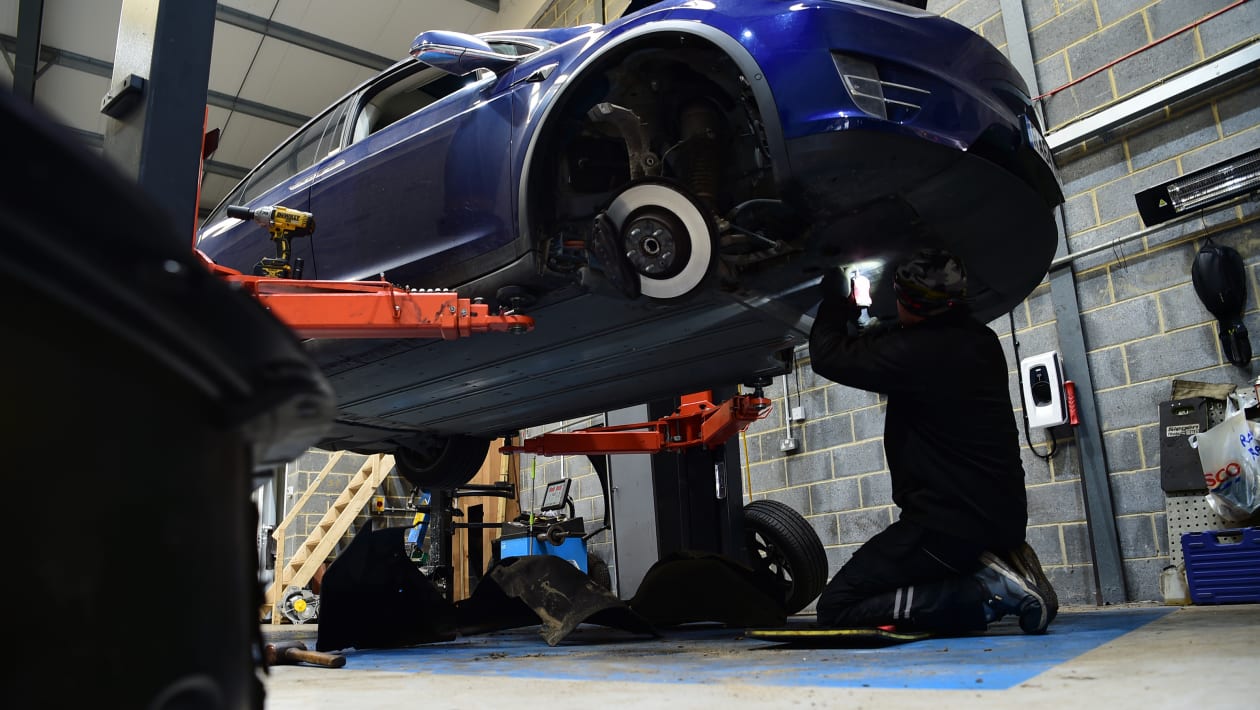
However, all-electric cars haven’t got petrol beat in every area. According to the data, EVs record around 1.8 times more tyres defects than petrol cars, with issues particularly affecting EVs that share platforms with combustion engines. While the BVRLA doesn’t explain this result, it’s most likely due to higher torque figures and kerbweights of EVs applying additional strain to their tyres.
Due to most EVs using regenerative braking systems, this area is a little more complex in comparison with petrol cars. At low mileages, electric cars showed friction-brake defects more often, attributed to not being used enough and developing surface corrosion as a result. But at higher mileages EVs showed fewer brake defects.
There’s also the crucial data of battery health to consider. However, the research did not measure remaining capacity or degradation of EV batteries because this isn’t part of the MOT test.
Toby Poston, the BVRLA’s chief executive, said: “This isn’t an argument for buying a used EV without doing your homework. Buyers should look at its history, condition, tyres and battery health just as they would scrutinise the engine, gearbox and service history of a petrol or diesel car. What we can now challenge is the idea that an electric car with 80,000 or 100,000 miles on the clock should automatically be regarded as worn out. The evidence simply doesn’t support that assumption.”