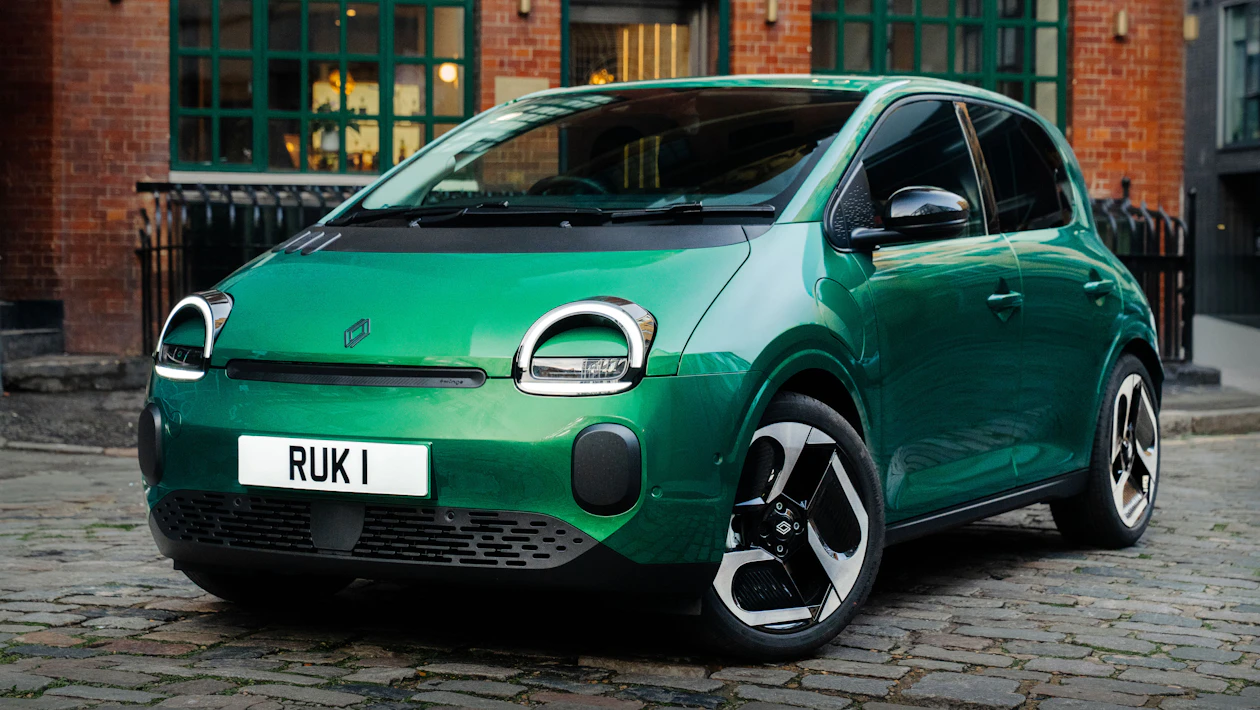
At the top rung is the Launch edition available exclusively in Mango Yellow or Absolute Green. This also includes a full suite of active safety gear, including an all-round parking radar, blind-spot monitoring and hands-free parking; this is priced from £17,645.
Renault’s aggressive pricing has, of course, been made possible thanks to a full allocation of ECG support from the UK government, worth £3,750. Without this assistance, the entry-level price of £18,495 is much closer to many of its EV city car rivals, ones that in large part come without any government grant.
The Honda Super-N, for instance, does not qualify for the ECG discount and costs £18,999 in its single, high-spec form. This includes extra equipment like a high-end BOSE sound system and a heated steering wheel, which aren’t available on any Renault Twingo.
However, compounding the Twingo’s price advantage is its superior 163-mile range, which is almost a third better compared to the Honda’s 124-mile figure. The other city car in this exciting new trio is VW’s forthcoming ID.Up. It’s due in 2027 with an aggressive pricing strategy of its own, and it’ll need one to match what Renault is prepared to offer.
The cheapest EV on sale, Dacia’s £12,000 Spring, is about to be replaced by a new upmarket version priced from around £14k. The Leapmotor T03, currently priced from £12,995 will inherit the crown as things stand, despite feeling a level below the new crop in terms of sophistication and desirability.
Regardless of specification, what the Twingo does affirm is that a crossover point for electric and petrol cars is now very much at hand - for those who prioritise affordability, at least. Electric city cars are now cheaper, more competent and more technologically advanced than petrol cars of a similar size. It’s a bonus that the Twingo and its new band of rivals are also so charismatic.
Did you know you can sell your car through Auto Express? We’ll help you get a great price and find a great deal on a new car, too.