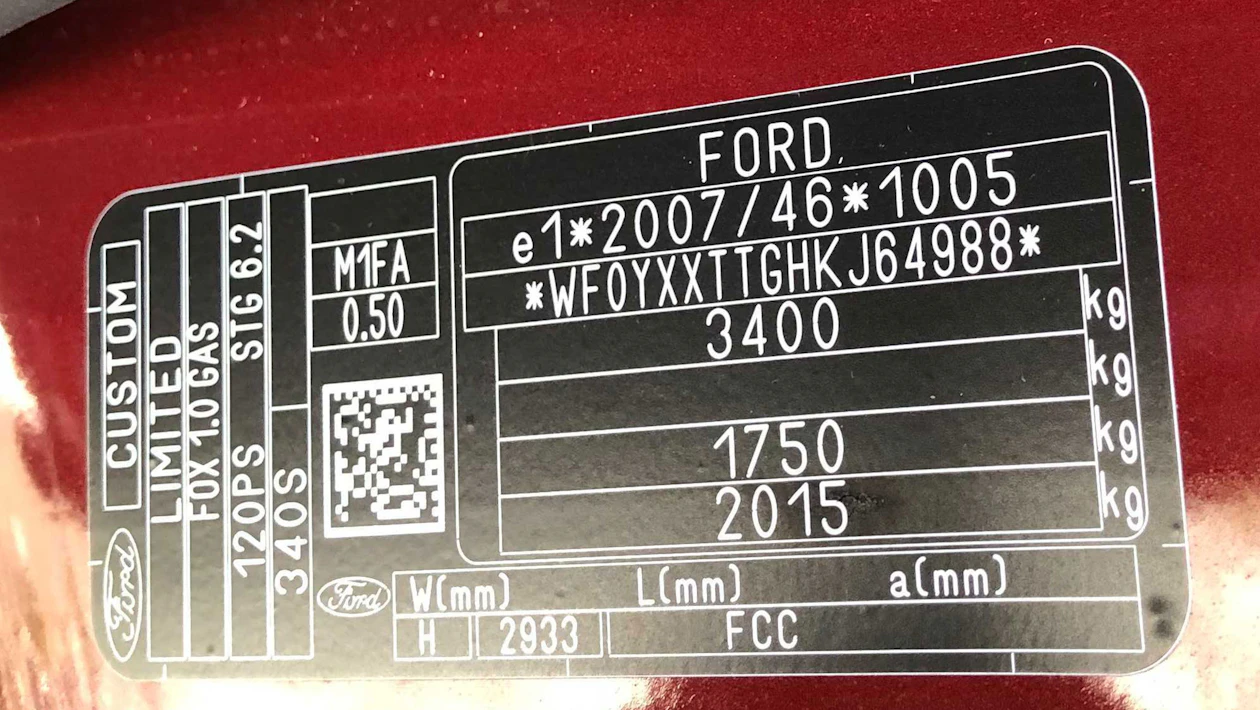
A VIN is a vital tool when it comes to proving a car’s identity and authenticating ownership. VINs can often be useful too, when it comes to pricing and ordering the correct spare parts – particularly for DIY owners running older models.
It’s important, then, that car owners know where to find a VIN and how to check it.
How to find the VIN on your car
On modern cars, the VIN is usually repeated in at least a couple of places, and the easiest one to spot is the so-called ‘Visible VIN’ which you can usually see from outside the car at the base of the windscreen on the passenger side. It’s there so police can make quick roadside checks, but if you’re buying a car it’s always advisable to find other locations where the manufacturer has applied the VIN.
Depending on the age of the car, this may be on a metal plate riveted to the chassis or bodywork, as well as being stamped into the metalwork of the car itself. If you don’t have access to a handbook to check the locations, then hunting around under the bonnet or behind plastic trim or carpets around the front doors will usually reveal hidden VINs.
It goes without saying that all VINs on a car you’re checking should be identical. If they’re different, it should immediately set off loud alarm bells, including the possibility that you’re looking at a ‘cut and shut’ car made from the parts of different vehicles, or a ‘clone’. This is where crooks take the VIN from one car and transfer it to another that was stolen, often with forged paperwork to help mask the car’s true identity.